
 Portuguese
  English
  Spanish
  Russian
  French
  Japanese
  Indonesian
  German
  Italian



Beauty Retailers Are Facing a New Competitive Challenge
Why should consumers choose one beauty retailer over another when many retailers are selling the same brands?
This is becoming a key question in today’s beauty market.
For years, large beauty retailers built their advantages through brand variety. Consumers visited beauty stores because they could find international brands, trending products, and different categories in one place.
However, the beauty industry has changed.
Today, consumers can discover new products through TikTok, follow beauty trends through influencers, compare reviews online, and purchase directly from brand websites. Simply offering more brands is no longer enough to create a strong competitive advantage.
For beauty retailers, the challenge is no longer only about product selection. It is about creating a reason for consumers to choose one platform over another.
This is why more retailers are focusing on private label beauty products as an important part of their long-term growth strategy.
Private label products allow retailers to create unique product collections, strengthen their identity, and offer something consumers cannot easily find elsewhere.
Private Label Is No Longer Just a Profit Strategy
In the past, many retailers developed private label products mainly for one reason: improving profit margins.
By creating their own products, retailers could have more control over pricing, production costs, and supply chains.
However, today’s private label beauty products have a much bigger role.
They help retailers build uniqueness.
When multiple retailers sell the same global beauty brands, the shopping experience between different platforms can become very similar. Consumers may not have a strong reason to choose one retailer over another.
Private label products can change this situation.
Exclusive collections give consumers a reason to visit a specific retailer. They create a stronger connection between the customer and the platform.
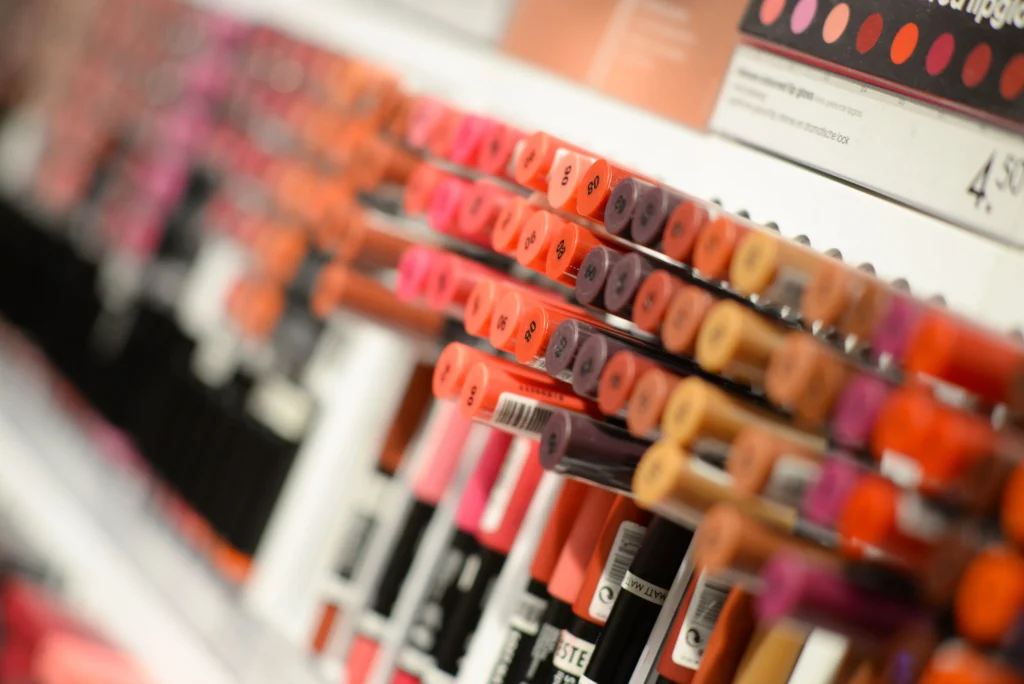
Successful examples such as Sephora Collection and Ulta Beauty Collection show that private label products are not designed to replace established beauty brands. Instead, they complement the retailer’s product ecosystem by offering exclusive choices and expanding customer experiences.
Private Label Helps Retailers Become More Than Product Distributors
The role of beauty retailers is changing.
In the past:
Retailers were mainly places where consumers purchased brands.
In the future:
Retailers will become platforms that help consumers discover beauty solutions.
This shift is an important part of modern beauty retail strategy.
Consumers today do not simply want more products. They want products that match their needs, lifestyle, and values.
Retailers have a unique advantage because they are directly connected with consumers every day. They understand:
- Which products receive the most attention?
- Which customer needs are not fully satisfied?
- Which beauty trends are growing?
These insights can become valuable opportunities for new product development. When retailers can identify market gaps quickly, they gain the ability to respond to consumer needs before competitors do.
By working with experienced suppliers, retailers can transform these insights into products that solve real customer problems.
Partnering with an ODM manufacturer with strong R&D capabilities can significantly shorten this process. Instead of developing every product from the beginning, retailers can collaborate with experienced partners to explore new materials, designs, and product concepts. SY Beauty, for example, focuses on makeup brush innovation and customized ODM solutions, helping brands and retailers develop differentiated beauty tool collections based on market trends and consumer needs.
Successful Private Label Products Start With the Right Product Strategy
Creating a private label collection is not simply about putting a logo on an existing product.
Successful products require a clear understanding of consumers, market trends, and product differentiation.
First, retailers need to understand what consumers truly value.
Modern beauty consumers are paying more attention to:
- Product performance;
- Material innovation;
- Sustainability;
- User experience.
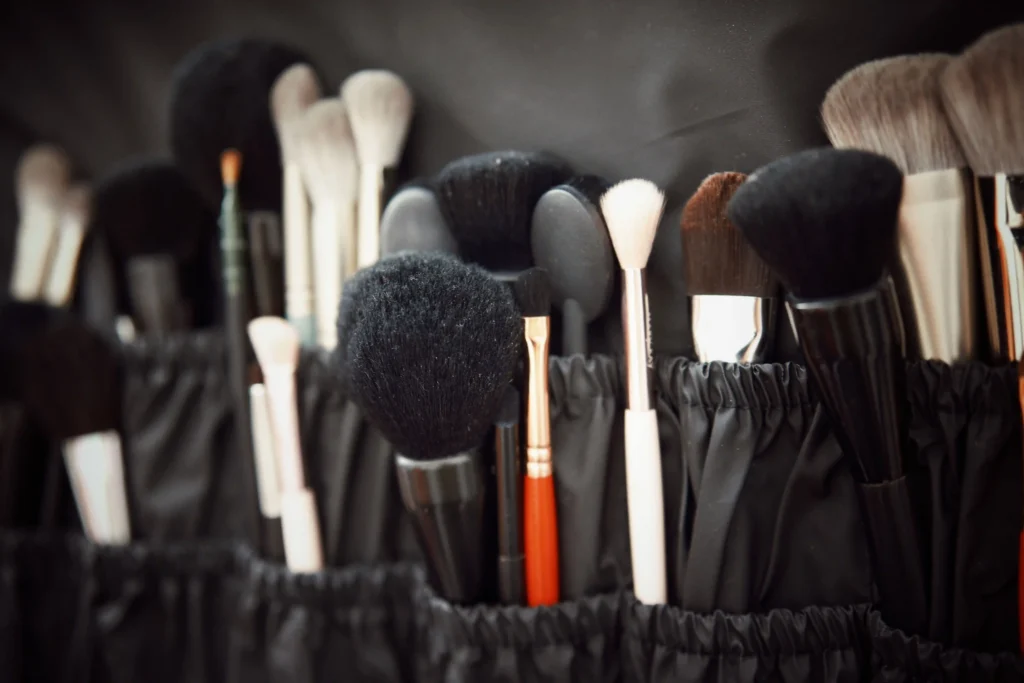
For example, in the makeup brush category, consumers are no longer only choosing products based on appearance. They care about brush softness, powder pickup, durability, cleaning performance, and application results.
Second, retailers need products that are different from what is already available in the market.
A unique design, innovative material, or improved function can help a product stand out.
This is especially important in competitive categories where many products look similar.
Finally, retailers need the right development partners to turn ideas into market-ready products.
The Future of Beauty Retail Depends on Unique Product Value
The future competition among beauty retailers will not only depend on how many brands they carry.
It will depend on how much unique value they can create.
Consumers will continue to look for retailers that help them discover new products, understand beauty trends, and find solutions that fit their needs.
This is why private label beauty products are becoming an important part of modern beauty retail.