
 Indonesian
  English
  Spanish
  Portuguese
  Russian
  French
  Japanese
  German
  Italian



If you’re building a makeup brush brand, one of the most important product decisions you’ll make is surprisingly simple on the surface—but strategic underneath: the bristles.
Different makeup brush bristles types don’t just change how a brush feels on skin. They also influence your product positioning, cost structure, and even how customers perceive your brand.
So instead of asking “Which material is best?”, a better question is:
“Which bristle fits my brand stage and market strategy?”
Let’s go through it in a clear, practical way.
Why Bristles Matter More Than Most People Think
Before we jump into options, it helps to zoom out a little. Bristles directly affect: Application performance (blending, pickup, softness), Hygiene and washability, Product durability, Customer experience, Brand positioning and pricing potential
In short, bristles are not just a component—they quietly define how your product is experienced and how your brand is valued.
👉 If you’re still exploring production basics, you may also find this useful: how makeup brushes are manufacture

Main Makeup Brush Bristles Types You Should Know
Here are the most commonly used modern materials, each with a clear positioning purpose.
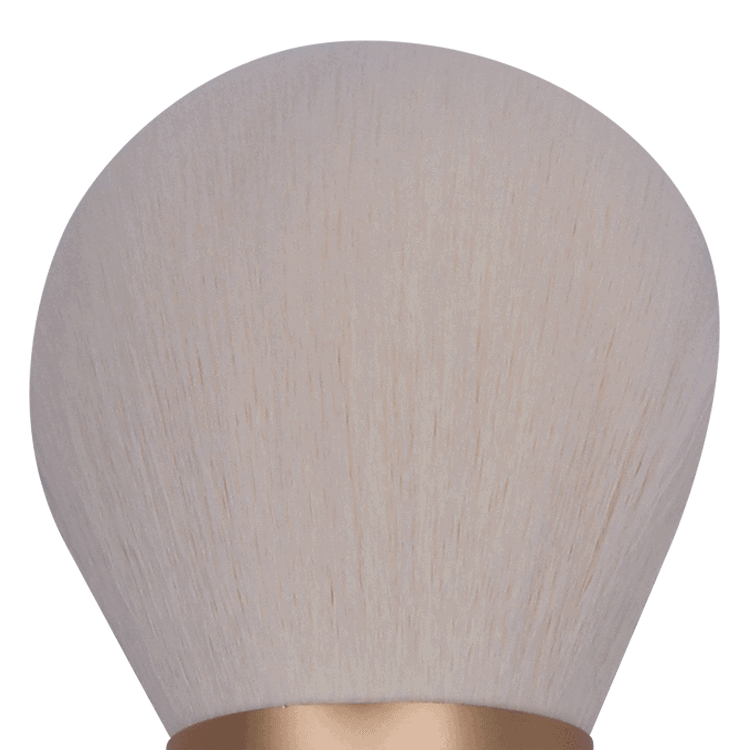
1. Degradable Synthetic Hair
Best for: Eco-focused brands
This material is designed to break down naturally through microbial processes over time.
It’s not just a technical upgrade—it’s a positioning signal.
Why brands choose it:
- Supports sustainability messaging
- Fits clean beauty trends
- Strong appeal to younger consumers
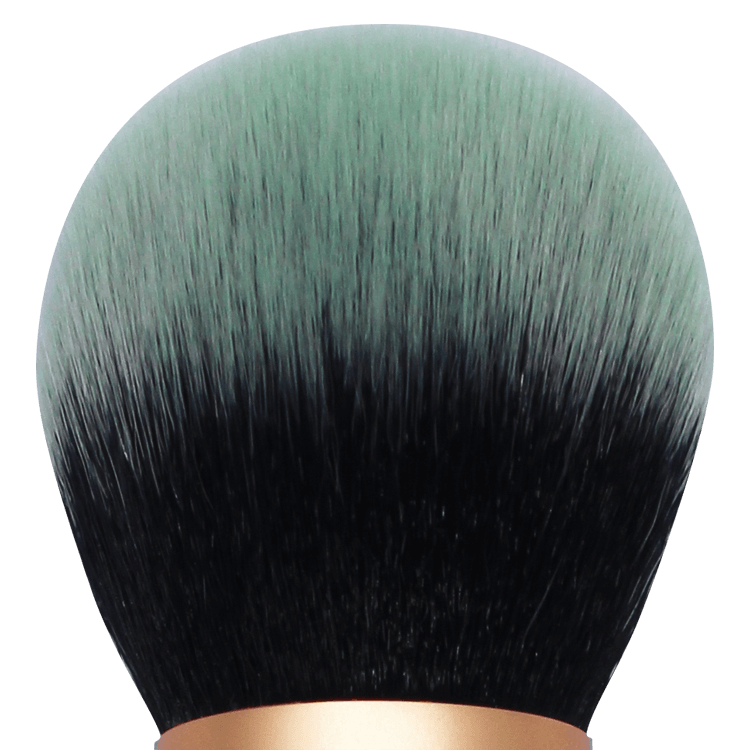
2. Tea Fiber Infused Synthetic Hair
Best for: Wellness-style brands
This is a blend of synthetic fibers and natural tea elements, designed to create a softer emotional connection in the product experience.
Why it stands out:
- Adds a “calm / ritual” storytelling angle
- Smooth and gentle application feel
- Works well for lifestyle branding
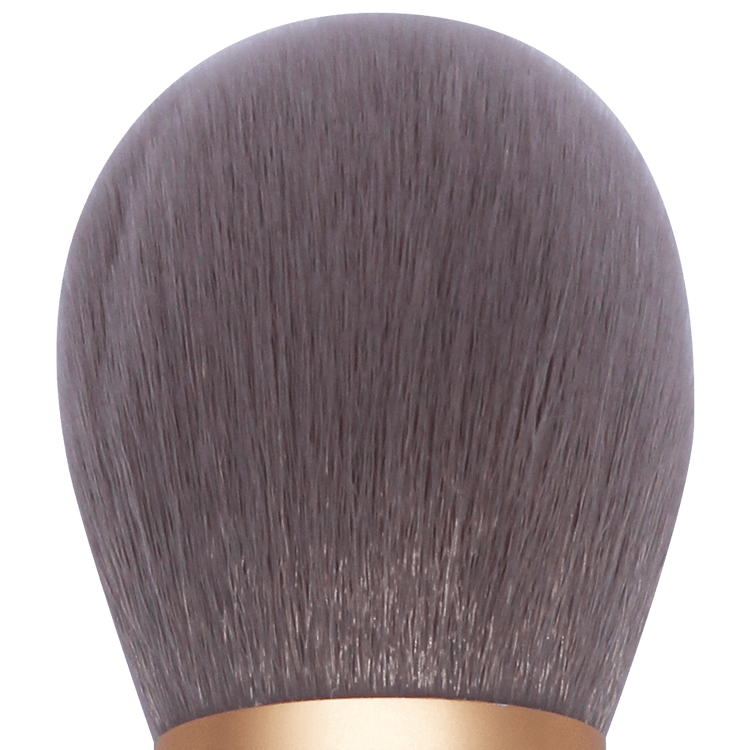
3. Coffee Grounds Infused Synthetic Hair
Best for: Trend-driven brands
Infused with coffee particles, this bristle adds texture and sensory novelty.
Why it works:
- Highly visual and marketing-friendly
- Strong social media storytelling potential
- Unique sensory positioning
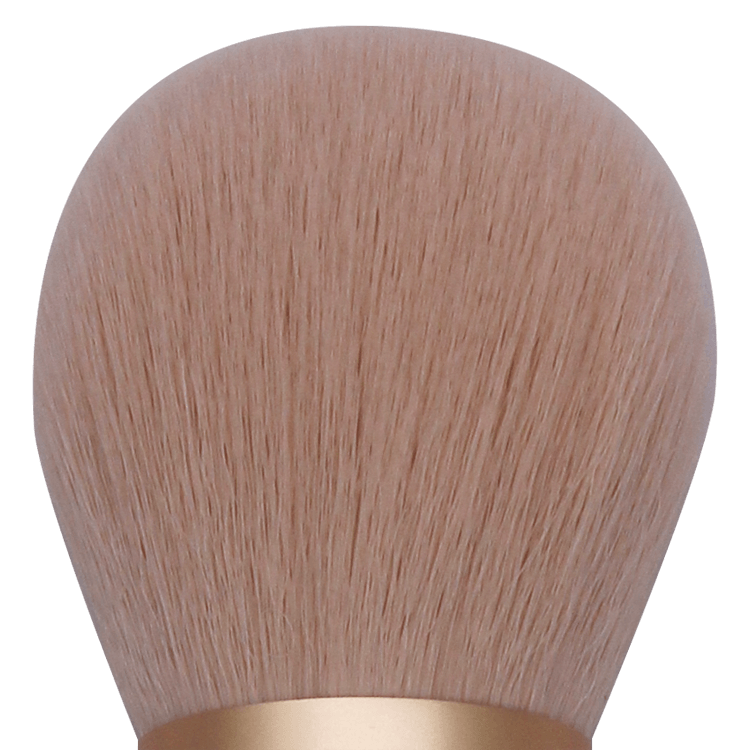
4. Antibacterial Synthetic Hair
Best for: Professional and hygiene-focused brands
Enhanced with nano silver ions, designed to reduce bacterial activity even after repeated washing.
Why brands trust it:
- Strong functional credibility
- Helps build consumer trust
- Great for sensitive-skin positioning
5. Fast-Drying Synthetic Hair
Best for: Everyday-use products
Engineered to dry significantly faster than standard fibers.
Why it’s practical:
- Improves user convenience
- Reduces odor and moisture issues
- Ideal for mass-market positioning
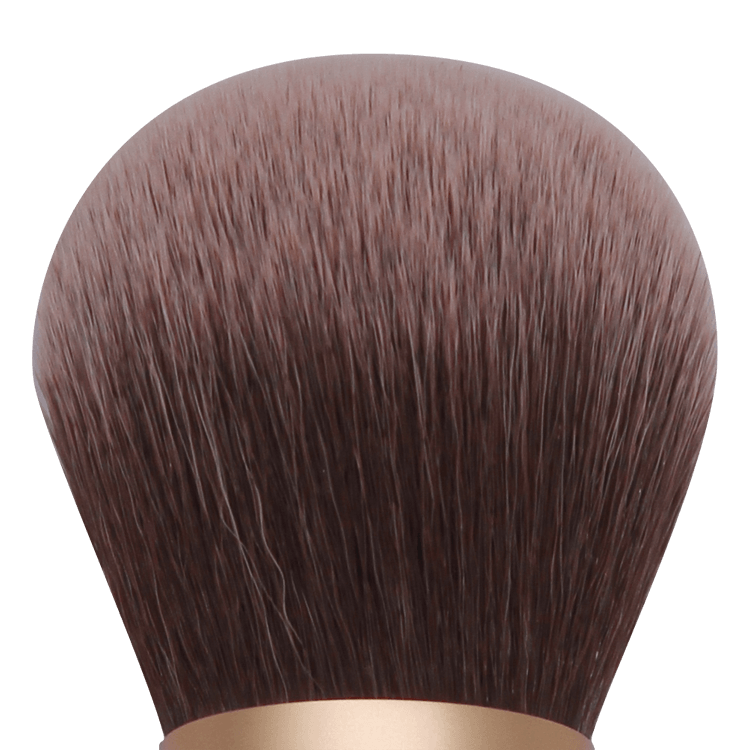
6. Long-Lasting Fragrance Bristles
Best for: Premium and sensory brands
Designed to introduce a subtle fragrance experience during use.
Why it’s used:
- Strong emotional differentiation
- Premium perception boost
- Enhances product memorability
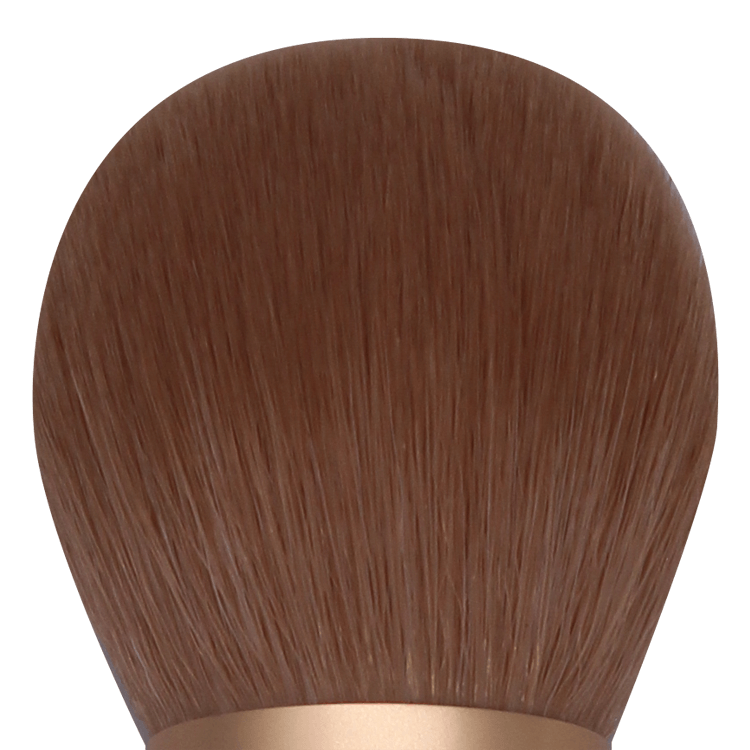
How to Choose Makeup Brush Bristles Based on Your Needs
Now let’s get practical.
Instead of memorizing materials, think in terms of your brand situation.
Different brands face different constraints—budget, positioning, and market risk. So the “right” choice is always contextual.
1. If You’re Building a Budget-Friendly / Entry-Level Line
At the early stage, the goal is simple: enter the market with controlled cost and stable performance.
You don’t need overly complex materials yet. What you need is reliability and scalability.
So we prioritize materials that are easy to produce, cost-efficient, and widely accepted.
Recommended structure:
- Face brushes → Fast-drying synthetic hair
- Eye brushes → Standard synthetic fiber
- Hero product → Antibacterial bristles
👉 The logic here is straightforward: build a stable core line, then add one “highlight feature” for differentiation.
This keeps your risk low while still giving your product a reason to stand out.
2. If You’re Building a High-Quality / Premium Brand
At this level, customers are no longer only buying function—they are buying experience and brand meaning.
So bristles need to do more than perform well. They should help you tell a story and justify a higher price point.
We focus on materials that add emotional or sensory value.
Recommended structure:
- Core line → Antibacterial bristles
- Experience line → Tea fiber or fragrance bristles
- Limited edition → Coffee-infused bristles
👉 The idea is to build a layered product system:
function → experience → emotional differentiation
This is what allows premium pricing to feel natural, not forced.
3. If You’re a First-Time Brand Owner
If you’re just starting out, the biggest challenge is uncertainty—not production.
So the key is not to “go premium” or “go cheap,” but to stay flexible.
You want a setup that is stable enough to sell, but flexible enough to evolve based on feedback.
Recommended starter set:
- Foundation brush → Fast-drying synthetic
- Powder brush → Degradable fiber
- Eye brush set → Standard synthetic
- Highlight product → Antibacterial fiber
👉 This structure reduces risk while still letting you test what your customers actually respond to.
Think of it as a “learning product line” rather than a final version.
👉 You can also explore: private label makeup brush process
Custom Strategy: High-End vs Cost-Effective Solutions
To make things more actionable, here are two scalable strategies you can apply across different brands.
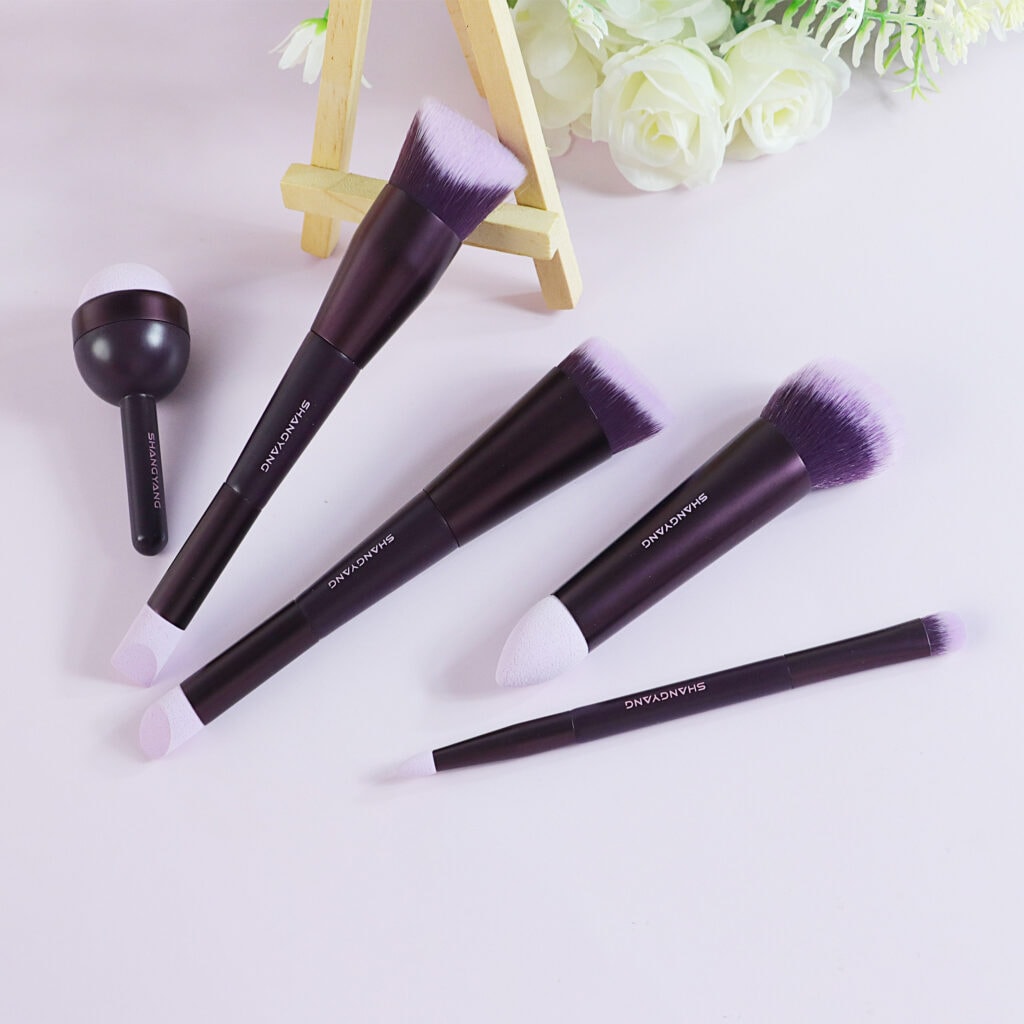
Strategy A: High-End Brand Positioning
Goal: Premium pricing + strong differentiation
Suggested structure:
- Core brushes → Antibacterial
- Experience upgrade → Fragrance bristles
- Story-driven products → Tea or coffee fiber
Key focus:
- Packaging + material synergy
- Emotional storytelling
- Higher perceived value
Strategy B: Cost-Effective Growth Strategy
Goal: Maximize ROI while staying competitive
Suggested structure:
- Main line → Fast-drying synthetic
- One hero feature → Antibacterial or eco fiber
- Optional upgrade → Limited special material
Key focus:
- Cost control
- Clear value proposition
- Scalable production
Final Thoughts: The Best Bristle Is the One That Fits Your Strategy
There is no single “best” option among all makeup brush bristles types.
The right choice depends on:
- Your target audience
- Your price positioning
- Your brand story
- Your sales channels
The most successful brands don’t just pick materials — they build a coherent product strategy around them.
Ready to Build Your Custom Brush Line?
If you’re looking for expert advice on how to choose makeup brush bristles for your brand, our team can help you create a solution tailored to your market.
👉Explore your options here: Produsen Kuas Rias Kustom
Or contact us to get a personalized recommendation based on your product plan and budget.